A healthy migration should improve the website's long-term operating model, not simply recreate the old problems in a new codebase.
Review of what should be preserved, removed, or rebuilt
A lighter frontend architecture with stronger performance potential
More control over content structure and output quality
A better long-term base for SEO and maintenance discipline
The exact migration path depends on the website, but these are the areas we usually review and rebuild around.
We review the current structure so the migration does not accidentally damage the content architecture that already matters.
The website is rebuilt around a cleaner component structure and a lighter frontend delivery model.
A migration needs a realistic content workflow for the team after launch, not just a cleaner frontend.
We keep search visibility in mind by protecting structure, metadata, and crawl-critical decisions throughout the migration.
One of the biggest reasons to migrate is to create a healthier performance baseline for the website.
The migration should end in a calmer operational state, not confusion about how the new website works.
With an Astro migration, you also gain the following additional advantages:
You are not tied to a specific platform and can move hosting whenever needed.
Automated CI/CD pipelines help keep deployment safe and consistent.
The website is better prepared to handle traffic spikes with CDN-based content delivery.
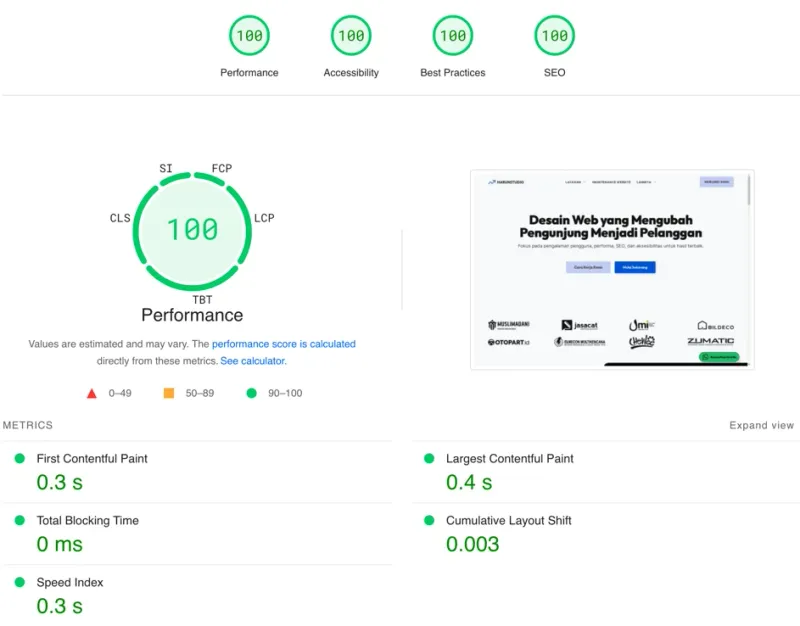
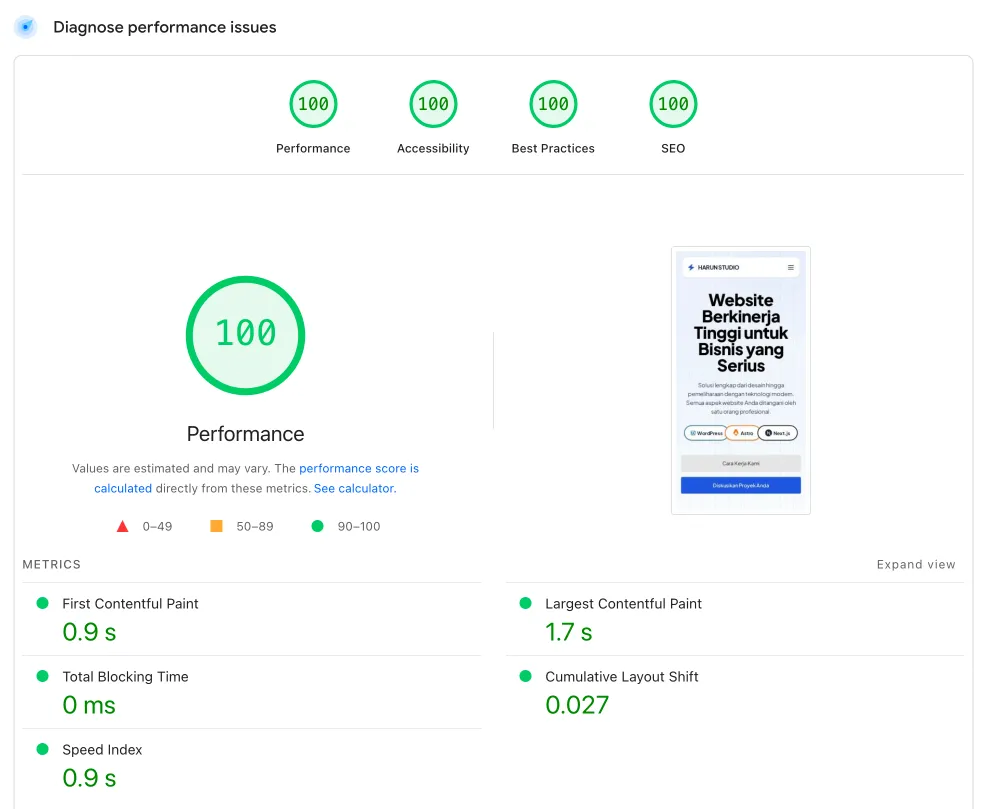
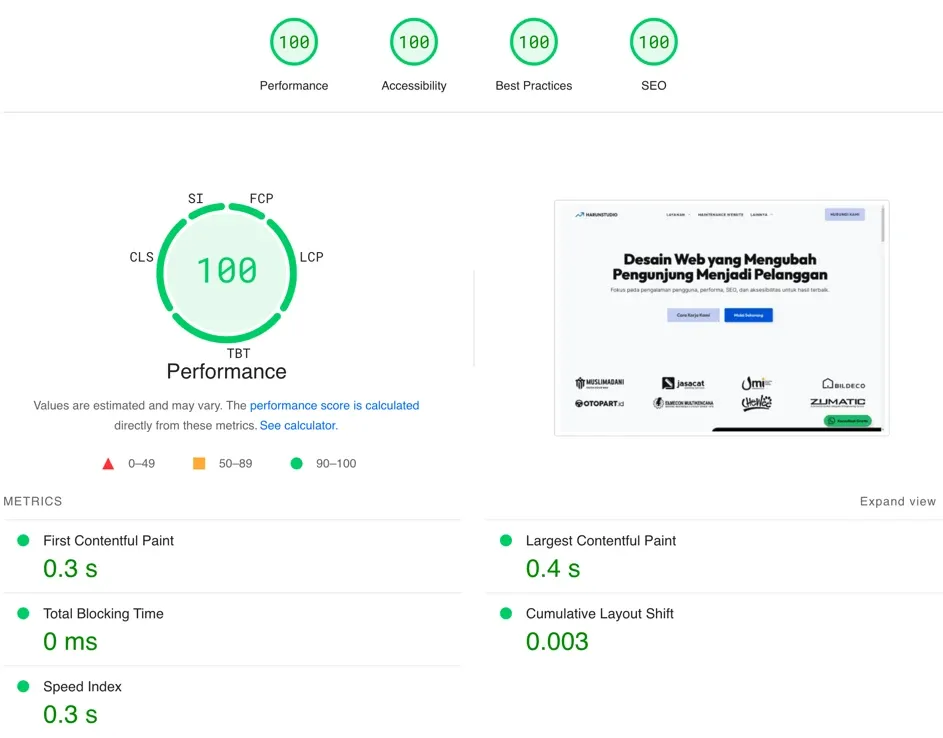
See how we applied a WordPress to Astro migration to our own website.
The migration is handled as a structured transition, not a rushed rewrite that ignores SEO, content, and operational risk.
We review the current website structure, content, and technical setup before deciding what the migration should preserve.
We review the current website structure, content, and technical setup before deciding what the migration should preserve.
This stage helps us avoid careless migration decisions that create long-term regressions.
We map the new structure, content workflow, and frontend system around what the business actually needs next.
We map the new structure, content workflow, and frontend system around what the business actually needs next.
A healthier architecture matters more than copying every old pattern from WordPress.
The site is rebuilt in Astro with review points that keep content, SEO, and implementation aligned.
The site is rebuilt in Astro with review points that keep content, SEO, and implementation aligned.
The goal is a cleaner frontend and a healthier technical baseline, not a rushed clone.
We support the go-live and help the team move into the new operating model with more confidence.
We support the go-live and help the team move into the new operating model with more confidence.
The migration should reduce future technical friction, not simply relocate it.
A few common questions businesses ask before starting a migration project.
Businesses usually consider the move when the current WordPress setup has become heavier, harder to maintain, or less aligned with the performance and frontend quality they now need.
Not necessarily. Some content and structural decisions should be preserved, while other parts should be simplified or rebuilt more cleanly in the new architecture.
That is one of the key concerns we plan around. Structure, metadata, URLs, and search-critical decisions are all treated carefully during the migration.
No. It is particularly strong for content-focused and marketing websites, but the right fit still depends on the site's publishing and frontend needs.
Want to check whether your WordPress website is a good fit for Astro migration?
Tell us what is slowing the website down today, how your team manages content, and what kind of architecture you want to move toward next.