Practical insights from real projects to help serious businesses build faster, healthier, and more maintainable websites.
Featured
A green PageSpeed score does not always mean a website is truly fast for real users. Learn why your site can still feel slow even when the test looks good.


Slow website, frequent errors, heavy dashboard, and unhelpful hosting support? The problem may not be WordPress itself, but a hosting foundation that no longer fits.

A fast website does not always need a PageSpeed score of 100. Learn the difference between Core Web Vitals and PageSpeed Insights, why people often misunderstand them, and how to read performance metrics more accurately.

A case study on the migration of Penasihat Hosting: from a WordPress setup that was actually still solid to Next.js 16 + PostgreSQL for long-term flexibility, a custom CMS, tool pages, and a more scalable product foundation.
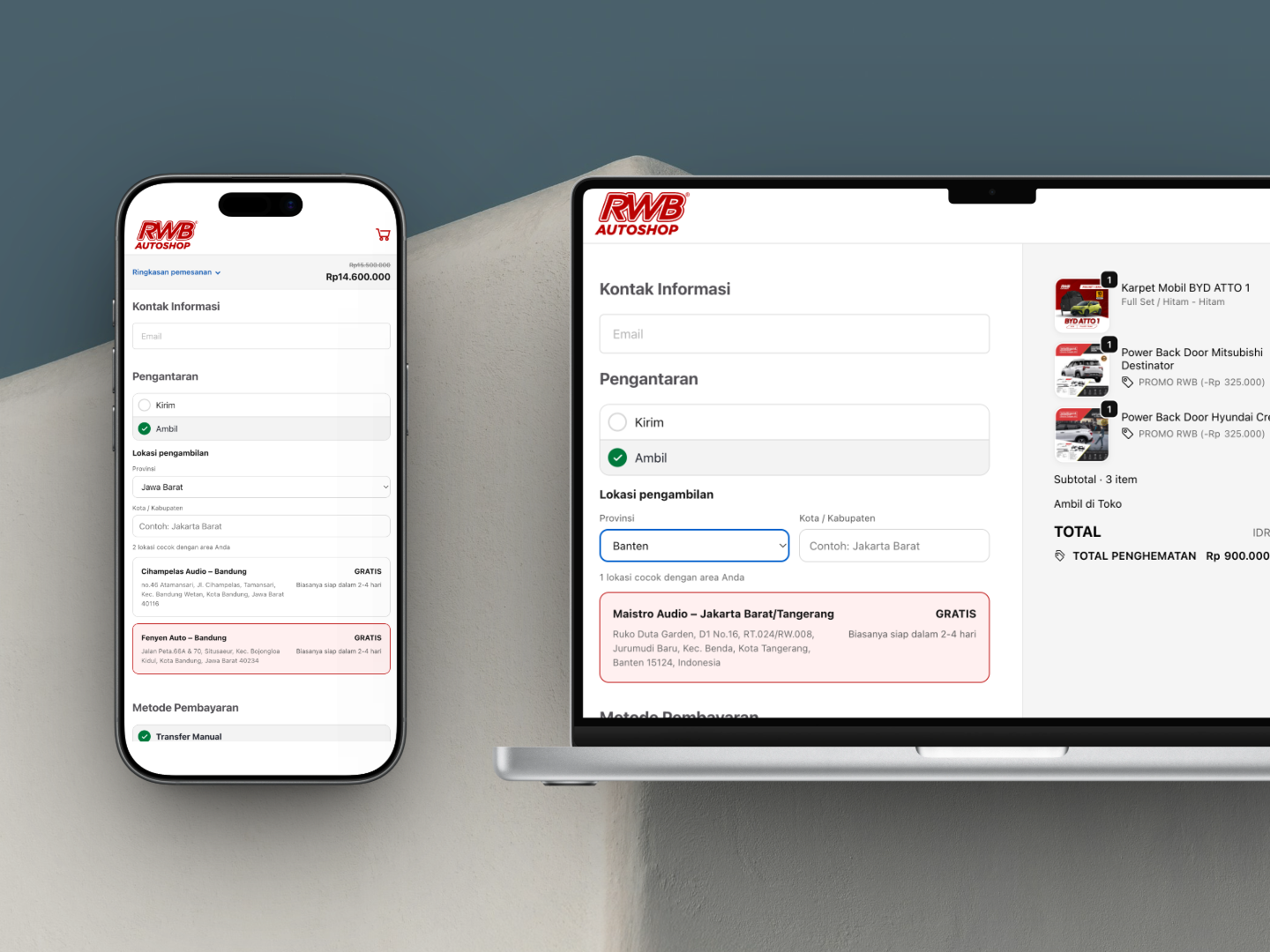
An RWB Auto Shop case study: a WooCommerce checkout redesign built on Fluid Checkout Lite plus custom PHP, JavaScript, and CSS for a more premium checkout experience.
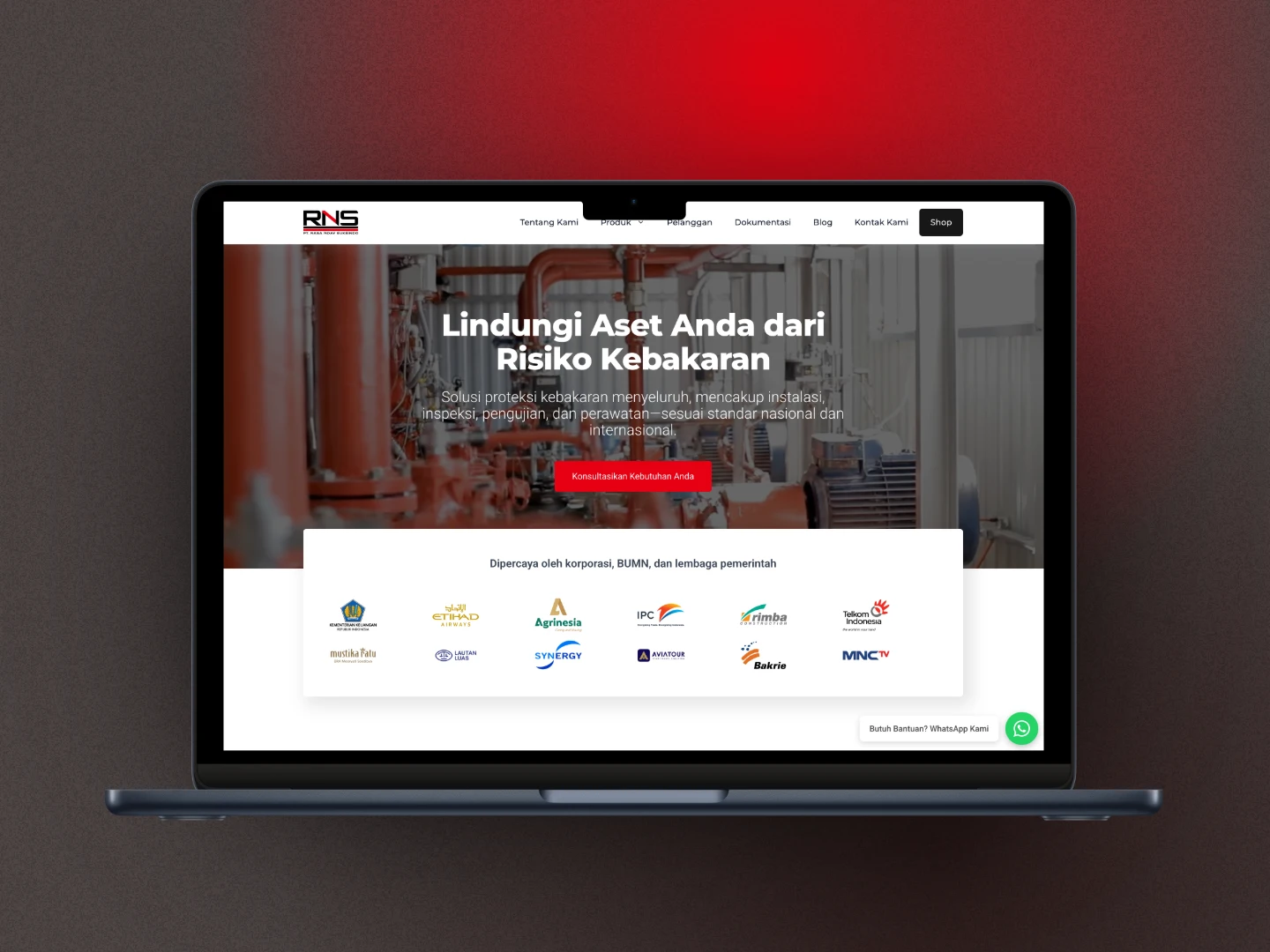
From a 404 error on firesystem.co.id to a full rebuild as hydrantsystem.co.id: a case study on building a lightweight, fast, and easy-to-manage website with a modern WordPress stack.
Discover 5 fast and effective ways to speed up WordPress, from premium hosting to lazy loading, and improve performance dramatically.
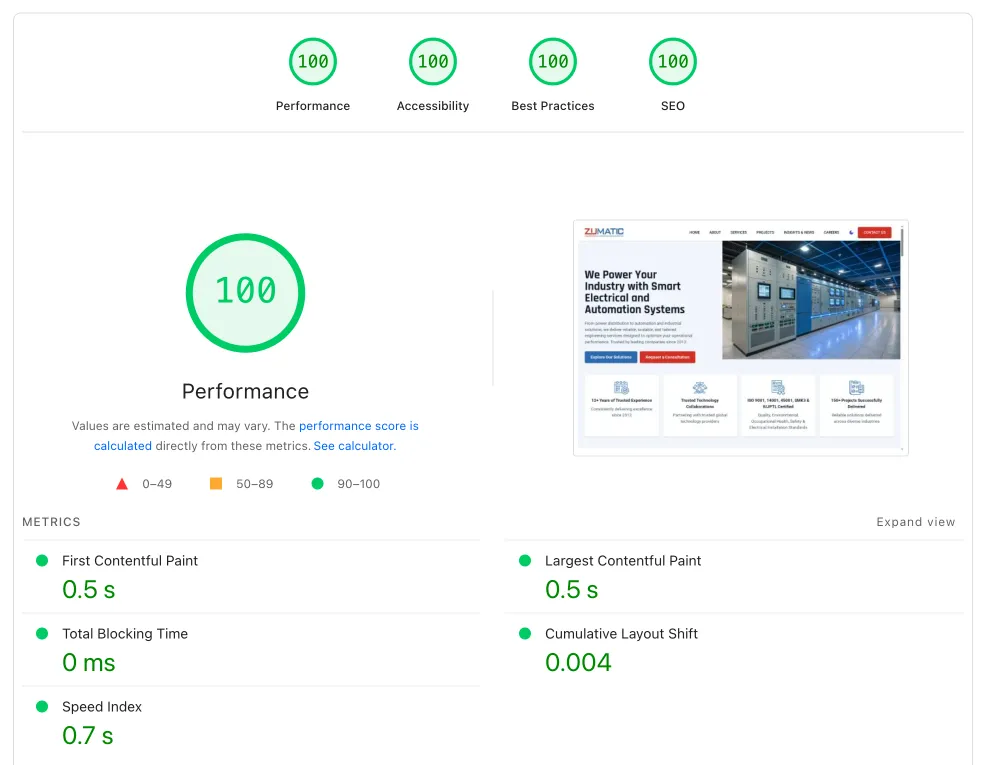
A deep analysis of Core Web Vitals in 2025 with a real PT Zumatic case study: 75.47% mobile performance improvement, 23.46% desktop improvement, and 48.95% faster load time.

A case study on PT Zumatic: mobile performance improved from 53 to 93 and desktop from 81 to 100 through technical auditing, WordPress performance optimization, and a much simpler content workflow.
Traditional control panel hosting adds unnecessary complexity and wastes valuable time. See how managed hosting improves productivity and business profit.